Physical Address
304 North Cardinal St.
Dorchester Center, MA 02124
Physical Address
304 North Cardinal St.
Dorchester Center, MA 02124

Pulse
Pulse
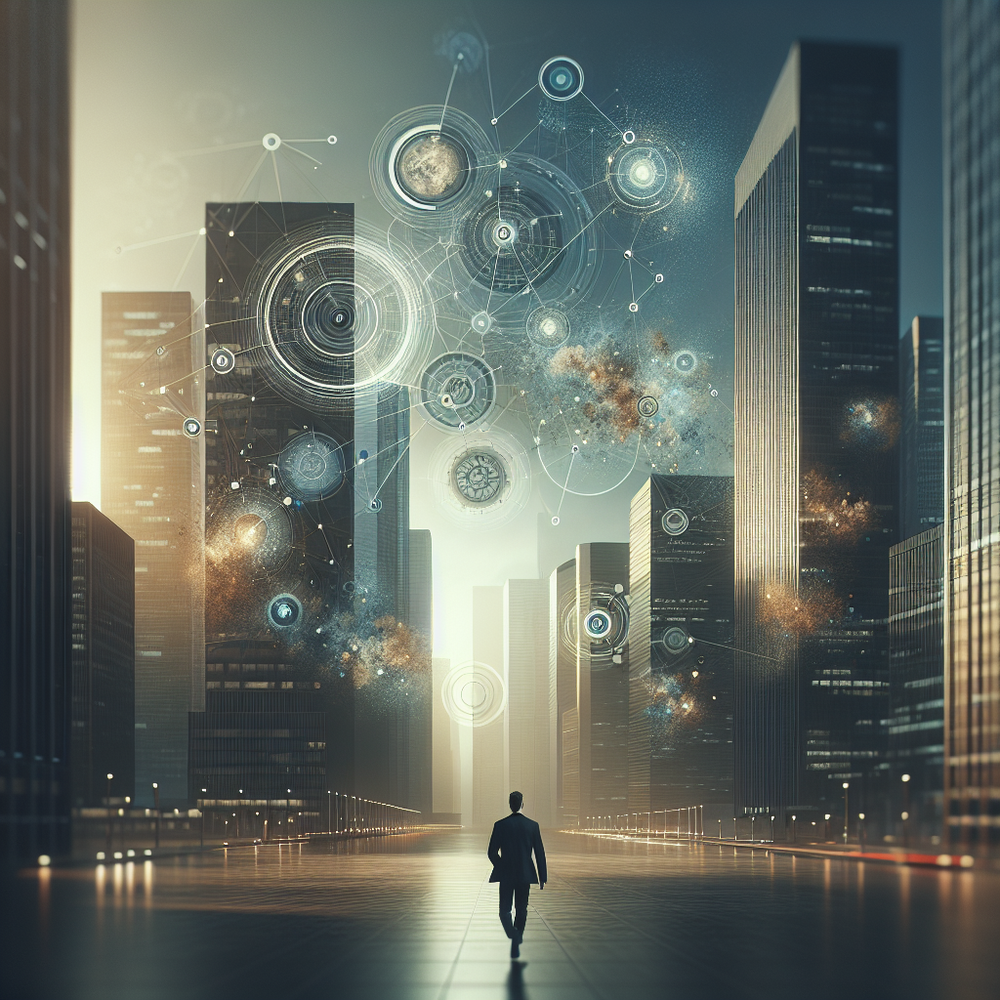
In the universe of Brand Storytelling with AI, 2025 marks the beginning of a hyper-personalized and interactive era for brands. AI solutions already dominate the creative environment, being applied from video scriptwriting to multi-platform campaigns. Companies like Apple illustrate this well: in recent releases, they explored multiple narrative arcs in video using AI to adjust language, soundtrack, and visuals according to consumer profiles, increasing engagement power[3]. Major entertainment players, such as Warner Bros, are already testing series that adapt to individual audience interactions, with AI altering the story in real time[1].
The speed of production and the number of variations created with AI accelerate the entire storytelling cycle. Tools like Runway and LTX Studio allow you to create animated storyboards and scene prototypes in minutes, adjusting pacing and audiovisual impact without wasting resources[3]. However, professionals warn about balance: human sensitivity remains essential so that the narrative does not lose authenticity and empathy[2]. The strategic use of AI frees up time for curation and revision, making stories more memorable and coherent, rather than exclusively automated.
In Silicon Valley and now in Brazil, executives and marketing teams are adopting AI for content in record time, but face the challenge of avoiding generic narratives[2]. Digital platforms personalize experiences, delivering stories that evolve according to the audience’s response[1][7]. Multisensory storytelling emerges, with AI integrating audio, visual and even tactile simulations in virtual environments, pointing to increasingly immersive campaigns[1]. Adobe, at a recent global event, reinforced that AI, when used to amplify the human side of creativity, is the path to qualified engagement, not to the total replacement of the human factor[6].