Physical Address
304 North Cardinal St.
Dorchester Center, MA 02124
Physical Address
304 North Cardinal St.
Dorchester Center, MA 02124

Pulse
Pulse
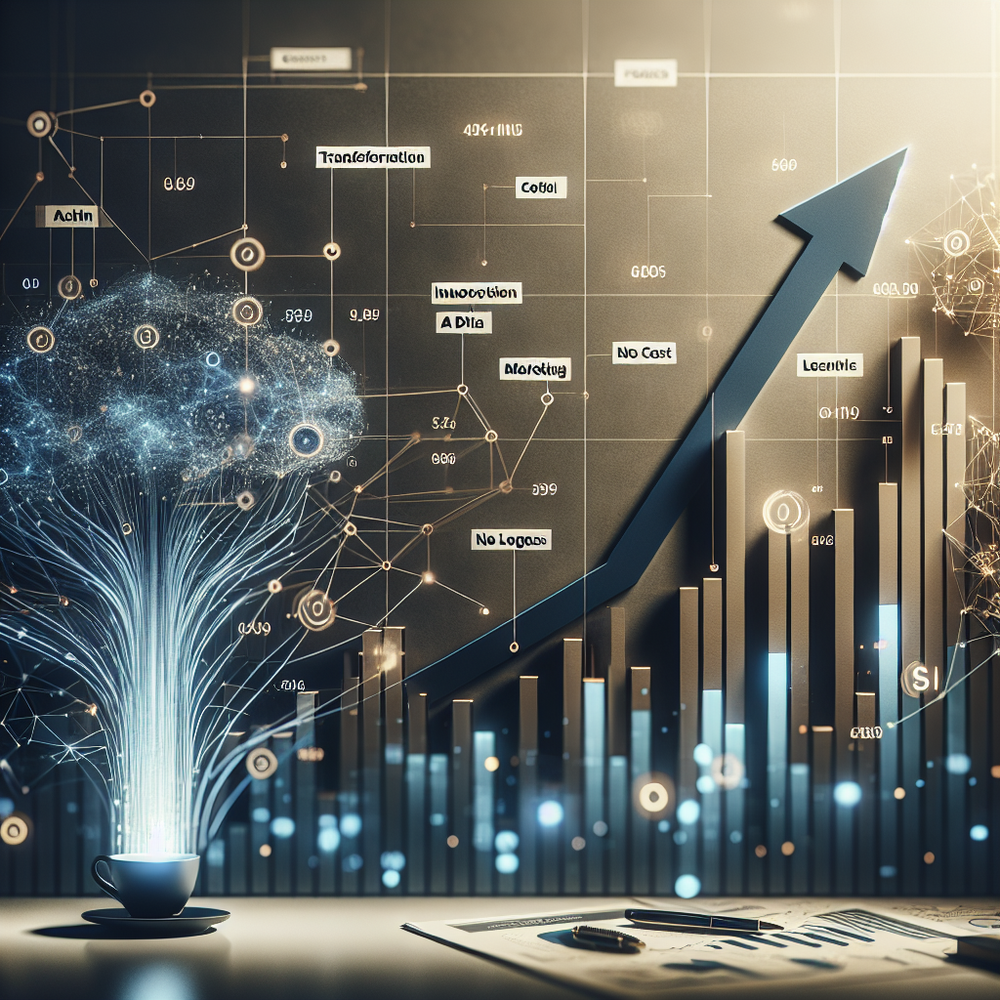
Imagine planning your media budget for 2026 and discovering that every dollar invested in Facebook and Instagram will cost 12.5% more, with no performance gain. Meta will pass on previously absorbed taxes, transforming a fiscal detail into a strategic barrier for brands dependent on paid traffic.[1] This shock coincides with AI ceasing to be an auxiliary tool and becoming central marketing infrastructure, redefining everything from searches to the sales cycle. Reports like Cyberclick’s indicate that professionals now collaborate with autonomous agents who learn tones, routines, and priorities, increasing efficiency or widening inequalities.[2] In Brazil, where digital drives 70% of acquisitions, this double impact forces an urgent recalibration: from tactical optimization to a systemic vision.
Concrete data paints the picture: increased costs on Meta reduce reach and raise CPA, penalizing those who optimize for superficial clicks instead of qualified conversions.[1] Platforms like Google Ads and TikTok are gaining traction, while SEO is evolving into Generative Engine Optimization (GEO), prioritizing authority in AI-powered answers like ChatGPT and Perplexity, where zero-click searches resolve queries without clicks.[2][3] Case studies illustrate this: Cyberclick highlights Agentic Ecommerce, with AIs comparing products and executing purchases, simplifying journeys and boosting lifetime value.[2] In B2B, marketing-sales integration generates predictable pipelines via AI in CRM, prioritizing hot leads.[6] Social selling matures on WhatsApp with internal creators, merging communication and conversion.[3] Counterpoint: CNN points to anti-AI marketing, betting on human authenticity against generic content.[4]
The consequences are clear: brands focused on Meta will shrink margins or reach; those who ignore AI will lose relevance in generative searches.[1][2] Opportunities arise in diversification – organic SEO, hybrid short video (human+AI), and trust as a cognitive filter in algorithmic recommendations.[3] Trends for 2026 include AI empowering humans in predictive sales, brand as a differentiator in content overload, and autonomous PPC automation, displacing experts to creative strategy.[2][3] Professionals must test channels, qualify data, and delegate intelligently. The winner will be the one who transforms cost and AI into levers for scalable, not reactive, growth.